
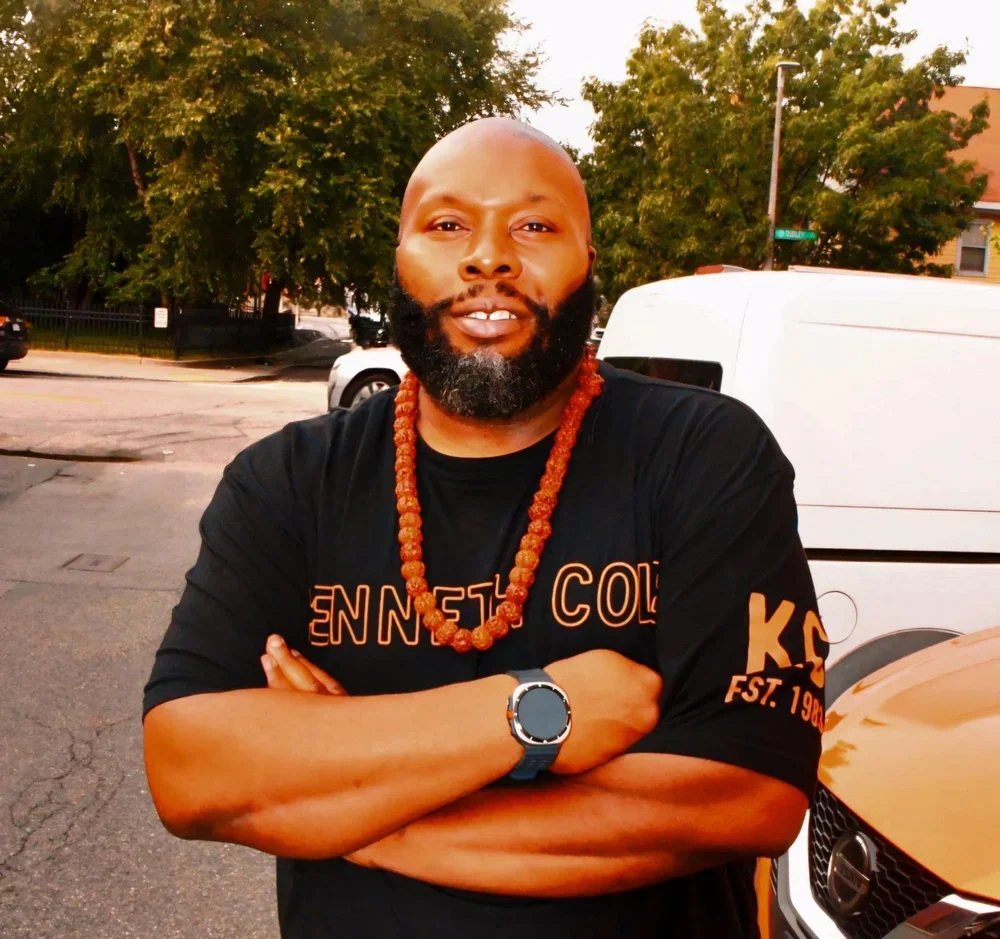
For thirty years, I have had the privilege of walking alongside young people, families, and communities through some of life's greatest challenges and most meaningful victories. When people ask how I found my purpose, they often assume it began with a career. It didn't. It began with a young man searching for hope.
Before I Found My Purpose
At sixteen years old, I was growing up in Dorchester, Massachusetts, trying to make sense of a world that often felt uncertain. I grew up without my father, watched my mother battle alcoholism and unhealthy relationships, and wondered what becoming a man was supposed to look like. Like many young people in my neighborhood during the 1990s, survival often felt like the biggest goal.
"I hope I live to see twenty-one."
That wasn't just something people said—it reflected the reality many of us lived every day.
During that time, my older sister Angie saw something in me that I couldn't yet see in myself. She constantly reminded me that I had a gift for connecting with young people. Looking back, those simple words planted the first seeds of what would become my life's work.
One Opportunity Changed Everything
My journey truly began when Robert, a former staff member from my school, encouraged me to apply for a position at the Walter Denny Youth Center in Harbor Point. I thought I was applying for a job. Instead, I found my calling.
On my first day, I was assigned fifteen young people. Before long, that number had doubled. It wasn't because I had all the answers. It was because I listened. We played games, organized activities, laughed together, solved problems, and spent time building trust. One parent once asked me why her son talked about me so much and what she could do to build that same connection.
My answer was simple:
Listen.
That conversation taught me something I still carry today: relationships—not programs—change lives.
Showing Up Matters
Over the last three decades, I've worked in neighborhoods, schools, juvenile justice facilities, recreation centers, churches, workforce programs, and community organizations across Massachusetts. I've partnered with organizations including Walter Denny Youth Center, Little Home for Wanderers, Eliot/DYS, Roca, the Department of Youth Services, schools, faith communities, and countless local leaders committed to creating opportunity for young people. Through every role, one belief has remained constant:
People don't need someone to rescue them. They need someone willing to keep showing up.
Showing up means being present long after the excitement fades. It means standing beside families in the face of unimaginable loss. It means celebrating victories that no one else may ever see. It means believing in someone before they believe in themselves. That commitment has also meant attending more than one hundred funerals for young people and families I've served. Those moments never get easier, and they continue to remind me that our work is urgent.
Building Dreamcatcher Initiative
Nearly ten years ago, I realized that too many conversations focused on what young people lacked rather than what they could become. That's why Dreamcatcher Initiative was created. The inspiration was deeply personal. Near the end of her life, my mother handed me a dreamcatcher with a ram's head and told me,
"Tell these youth what they need to hear—not what they want to hear."
That moment became the heartbeat of Dreamcatcher Initiative. We started by using barbering as a bridge to build trust with young people involved in the justice system. Under Shannon's leadership, our licensed barber instructor, the barbershop became more than a place for haircuts—it became a place for healing, conversation, accountability, and hope. Since then, our work has grown to include DreamCutz, Dream Studios, POWER, men's groups, family engagement, arts programming, workforce development, community events, and other initiatives designed to help young people discover purpose and pathways toward education, employment, leadership, and healing.
Lives, Not Statistics
People often ask me what success looks like. It isn't measured solely by numbers. It's measured by life. One young man I'll never forget is Rodrick. He faced gang involvement, violence, incarceration, and countless obstacles. But I kept showing up. When he was ready to make a different choice, we explored new opportunities together. Today, he's a father, a welder, and someone creating a different future for his family. His story reminds me that transformation belongs to the individual. Our responsibility is to stay present until they're ready.
Thirty Years of Lessons
After three decades, I've learned that leadership isn't about titles. It's about service. Community has taught me resilience. Young people have taught me humility. Families have taught me grace. And every experience has reinforced one truth:
HOPE means Helping Other People Elevate.
If I could speak to my sixteen-year-old self today, I would say:
"Greatness can wait. Focus on learning. Keep showing up."
The Legacy I Hope to Leave
When people remember my work, I don't want them to remember my title first. I hope they remember that I listened. That I cared. That I stood beside them during difficult moments. That was when they were finally ready for change, and I was still there. Legacy isn't something we receive. It's something we leave in people.
As Dreamcatcher Initiative celebrates nearly ten years of impact and I reflect on thirty years of community leadership, my commitment remains unchanged. I believe every young person deserves someone who believes in them. Someone who sees possibilities where others see barriers. Someone who keeps showing up. Because presence changes lives, and sometimes, showing up is where hope begins.
By Adrian Major, Executive Director, Dreamcatcher Initiative Inc.